
Article map
Verdant News | Asset comparison
Paulownia vs stocks vs farmland: how to compare a tree investment with other assets
Investors should not compare Paulownia only with other crops, but with the broader set of portfolio options: stocks, farmland, cash or other real assets. Each follows a different logic of return, liquidity and management, so the right choice depends on investor fit rather than universal claims.
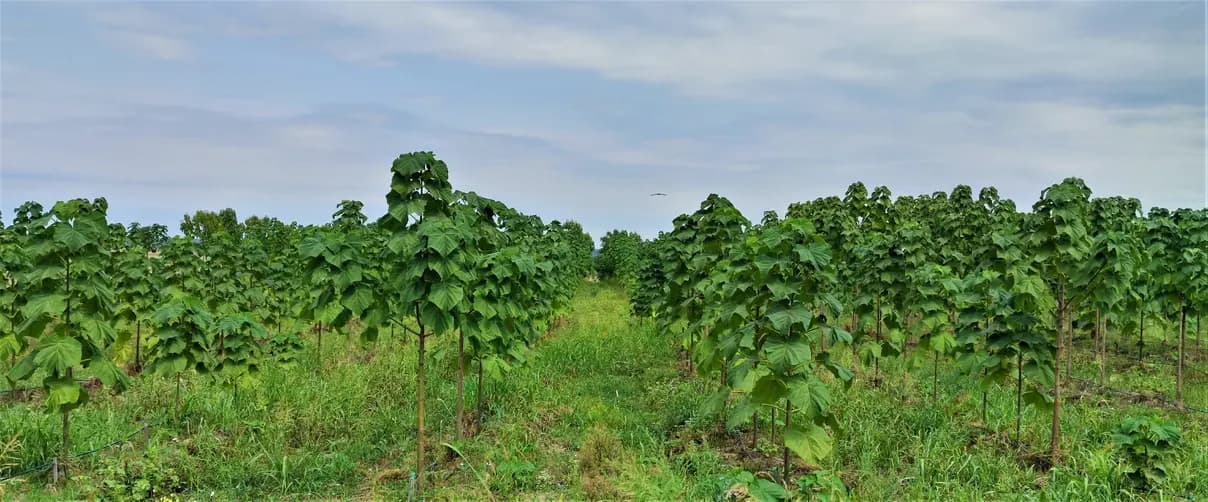
Next step
Want a concrete Verdant proposal for products or investment?
We can discuss your budget, operating model and product or plantation objectives, then come back with a clear next-step proposal.
Comparison anchors
Four differences that change the analysis completely
Liquidity
Stocks can usually be sold quickly. Paulownia and farmland require patience and a different exit logic.
Volatility
Capital markets can react sharply and emotionally. Real assets move more slowly, but bring operational constraints.
Operational control
Paulownia and farmland require execution on the ground. Without management, real assets lose economic efficiency.
Inflation protection
Both timber-linked assets and farmland can offer better inflation behavior than idle cash, if properly managed.
Comparison
Three different investment logics
Stocks
They provide rapid liquidity and easy access, but can bring high volatility and strong macro-driven repricing.
Farmland
A classic real asset, often more defensive, with performance depending on location, rental terms and long holding periods.
Paulownia
It combines plantation execution with timber monetization potential, which can create higher value-add but also requires stronger operating discipline.
From a portfolio perspective, the right comparison is not about finding a universal winner. It is about matching each asset to a specific objective: liquidity, protection, operational return or diversification.
When Paulownia makes sense
Why Paulownia can be attractive in the right portfolio
Paulownia becomes more relevant when investors want a combination of tangible asset exposure and operational upside. It is less about speculation and more about disciplined asset development.
- when the investor wants exposure to real assets with processing and value-added potential;
- when a multi-year horizon is acceptable;
- when the project already has water, infrastructure, management and commercial perspective;
- when the portfolio already includes financial assets and needs diversification.
When it is not the right fit
Which investor should be cautious
- an investor who needs rapid liquidity;
- an investor who does not accept real operational variables;
- an investor looking for a fully passive asset with no biological cycle;
- an investor expecting instant returns without understanding execution.
Paulownia can be a strong option for the right profile, but a poor match for investors entering with short-term or purely speculative expectations.
Portfolio view
How Paulownia should be seen inside an asset mix
For mature investors, the useful question is not whether Paulownia always beats stocks or farmland. The useful question is how Paulownia complements a portfolio that already contains other exposures.
In that framework, Paulownia can act as a real asset with its own profile: more operationally demanding than a listed security, but also more directly linked to land, timber and the physical economy.
FAQ
Frequently asked questions about comparing Paulownia with other assets
Is Paulownia better than stocks?
There is no universal answer. Stocks offer higher liquidity, but also higher volatility. Paulownia can make sense for investors seeking real-asset exposure and a longer horizon.
How is it different from farmland?
Farmland is a more classic and often more defensive real asset. Paulownia adds an operational and timber-monetization layer that changes both the return and risk profile.
Is Paulownia useful for diversification?
Yes, if the investor understands that diversification does not remove risk; it redistributes exposure across assets with different behavior.
What is the biggest mistake in this comparison?
Treating a biological, operational asset as if it had the same liquidity and pricing logic as a listed security.
More from Verdant
Related articles that support the decision process
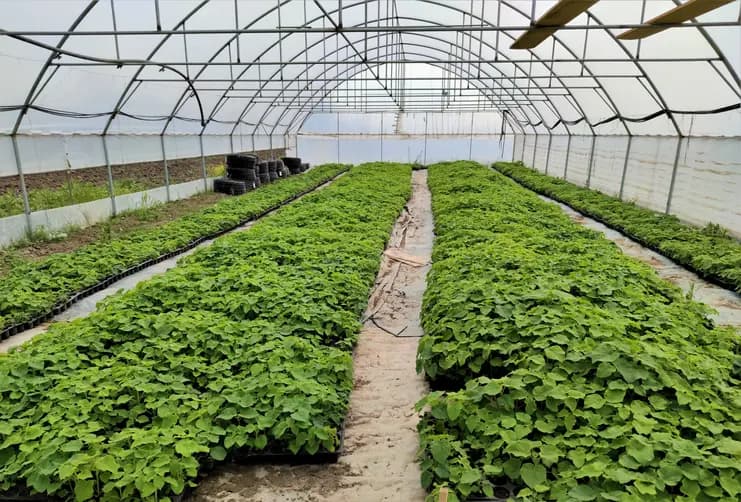
What an investor actually buys in the Verdant plantation: trees, infrastructure or a complete operating model?
We clarify what sits inside the Verdant investment model: not only trees, but irrigation, maintenance, annual operations and a full monetization path.
Read article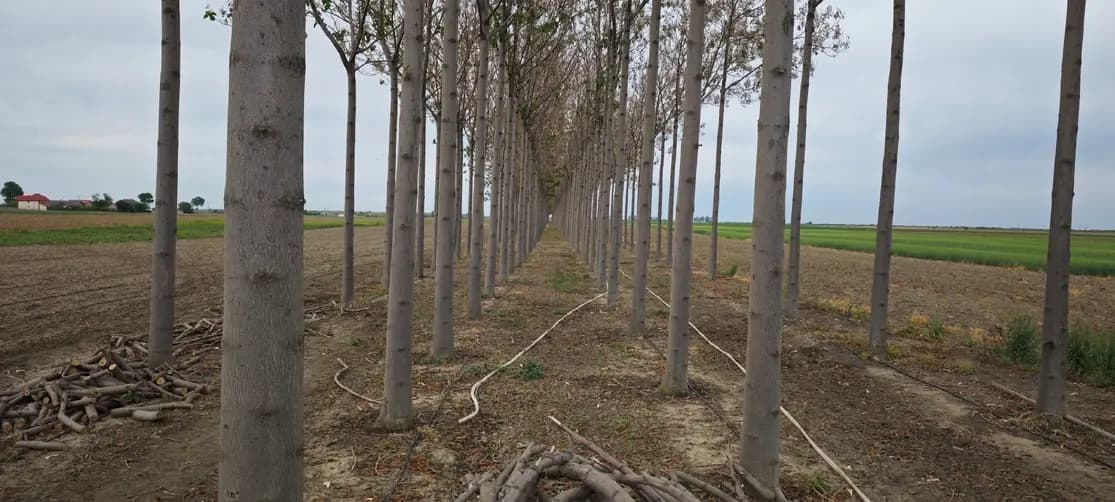
Why investors seek real assets: Paulownia, farmland and inflation protection
We examine why capital looks for assets anchored in the real economy and how a professionally operated plantation fits that discussion.
Read articleHow to reduce risk in a Paulownia investment: water, maintenance, management and monetization
A practical article for investors who want to understand where real risks appear and how they can be reduced in a well-operated project.
Read article
Social media
Verdant on Instagram and YouTube
Instagram
View profileVerdant Instagram gallery
A curated stream of our latest visuals from Instagram activity.
YouTube
View channel